
On this page
Top picks at a glance
As an Amazon Associate I earn from qualifying purchases.
- 1
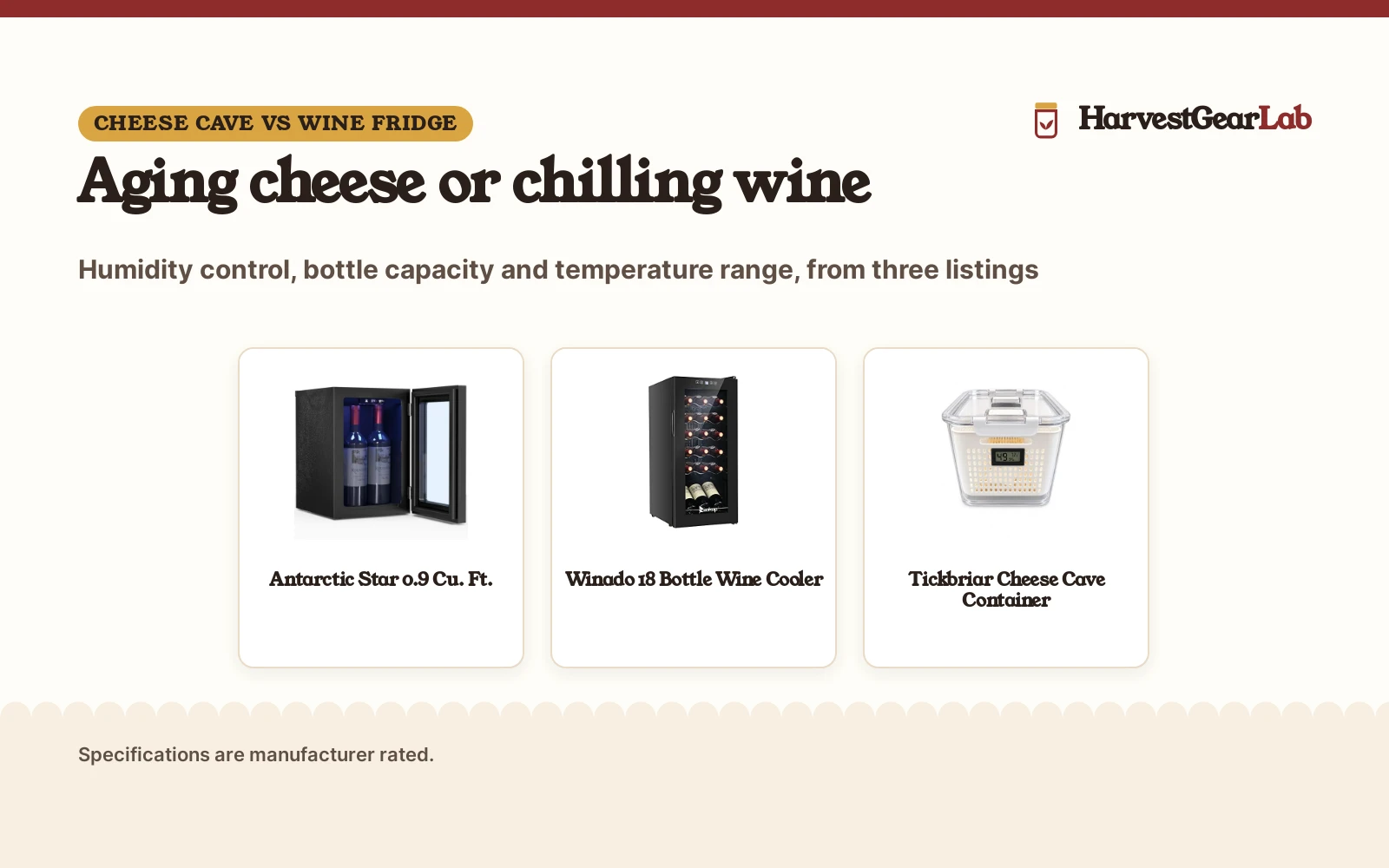
 Antarctic Star 0.9 Cu. Ft.9.6/10View on Amazon
- 2
 Winado 18 Bottle Wine Cooler9.6/10View on Amazon
- 3
 Tickbriar Cheese Cave Container9.5/10View on Amazon
The cheese cave vs wine fridge choice starts at the counter, where a wheel of cheese dries at the edges and a bottle warms past its best. It comes down to what you keep: a wheel needing steady humidity and air, or bottles needing steady cool and darkness. We compared one cheese aging container and two wine fridges.
HarvestGearLab earns a commission when you buy through links on this page, at no extra cost to you. As an Amazon Associate I earn from qualifying purchases. Affiliate disclosure.
Quick verdict: for cheese, choose the container if you already own a fridge or cooler; the Tickbriar example fits wheels up to 6 inches across, with a built-in hygrometer. For bottles, choose a wine fridge: the Antarctic Star example holds 2 bottles plus 6 cans at 40 to 61 degrees, and the Winado example holds 18 bottles at 41 to 64 degrees.
What made the list
| # | Product | Harvest Score | Buy |
|---|---|---|---|
| 1 | Antarctic Star 0.9 Cu. Ft. | 9.6/10 | Buy on Amazon |
| 2 | Winado 18 Bottle Wine Cooler | 9.6/10 | Buy on Amazon |
| 3 | Tickbriar Cheese Cave Container | 9.5/10 | Buy on Amazon |

Antarctic Star 0.9 Cu. Ft.
A 0.9 cu. ft. countertop wine fridge holding 2 wine bottles plus 6 cans, with compressor cooling and a 40 to 61 degree range.
Pros
- Holds 2 wine bottles plus 6 cans, or 24 cans on their own
- Compressor cooling holds a steady 40 to 61 degree range
- Airtight seal on the reinforced door helps maintain humidity
- Blue LED interior light and display, with movable shelves
Cons
- Holds only 2 wine bottles, so a larger collection needs a bigger cooler
- 0.9 cu. ft. interior suits a small collection only
- One temperature range for everything stored inside
- Needs 14.88 by 11.02 inches of clear counter space

Winado 18 Bottle Wine Cooler
An 18-bottle compressor wine cooler with a digital touch screen, a 41 to 64 degree range and removable metal shelves.
Pros
- Holds up to 18 bottles of 750ml wine
- Compressor cooling keeps temperature steady against outside heat
- Digital touch screen with an adjustable 41 to 64 degree range
- Soft LED interior light that will not fade labels
Cons
- No warranty term is stated
- Single-zone cooling, so every bottle shares one setting
- Needs dedicated floor or counter space at 30.31 inches tall
- 18 bottles suits a small collection only

Tickbriar Cheese Cave Container
A humidity-controlled cheese aging container with a built-in hygrometer, adjustable vents and a water dish with sponge, for a fridge or cooler.
Pros
- Built-in digital hygrometer shows temperature and humidity inside
- Upper and lower adjustable vents regulate airflow and moisture
- Water dish with sponge helps maintain humidity
- Bamboo mat and raised inner basket keep cheese elevated for airflow
Cons
- Fits cheese wheels up to 6 inches across; larger wheels may need extra elevation
- No temperature control of its own; it sits inside a fridge or cooler
- One small microenvironment, so different cheeses need separate containers
- No warranty term is stated
As an Amazon Associate I earn from qualifying purchases.
Cheese cave vs wine fridge: side by side
| Cheese Cave or Wine Fridge | Harvest Score | Side | Capacity | Temperature | Size | Amazon |
|---|---|---|---|---|---|---|
| Antarctic Star 0.9 Cu. Ft. | 9.6/10 | Wine fridge | 0.9 cu. ft., 2 bottles, 6 cans | 40 to 61 degrees F | 14.88 x 11.02 x 16.73 inches | View on Amazon |
| Winado 18 Bottle Wine Cooler | 9.6/10 | Wine fridge | 18 bottles of 750ml | 41 to 64 degrees F | 13.58 x 17.72 x 30.31 inches | View on Amazon |
| Tickbriar Cheese Cave Container | 9.5/10 | Cheese cave | Wheels up to 6 inches | Not stated | 7 1/4 x 11 1/4 x 6 | View on Amazon |
Specs below are what each maker states on its listing (gathered 26 November 2026).
What each side is for
A cheese cave is a small humid space for aging cheese, and the Tickbriar example creates one inside a fridge or cooler. It does not cool on its own; the fridge or cooler around it sets the temperature, while the container manages humidity and airflow. A wine fridge is a cooler built for bottles, and both listings use compressor cooling to hold a set range, with shelves or racks for bottles on their sides.
Humidity and airflow
Humidity is where the cheese cave earns its keep. The Tickbriar container pairs a built-in digital hygrometer with upper and lower adjustable vents, so you can watch humidity inside and adjust the vents. A water dish with sponge maintains humidity, and a bamboo mat with a raised basket keeps the wheel elevated. The wine fridges say little about humidity: the Antarctic Star listing claims an airtight seal helps but states no figure, and the Winado listing states none at all.
Temperature control
Both wine fridges state a temperature range. The Antarctic Star example uses a compressor and covers 40 to 61 degrees, which the listing says holds steady on hot days. The Winado example also uses compressor cooling, with an adjustable 41 to 64 degree range on a digital touch screen, and the listing notes 55 degrees is often considered close to optimal. The Tickbriar container states no range and relies on the fridge or cooler it sits inside.
Capacity and size
The Tickbriar container measures 7 1/4 x 11 1/4 x 6, and its basket takes a wheel up to 6 inches across; wider wheels may require additional elevation to fit inside. The Antarctic Star example is a 0.9 cu. ft. countertop box at 14.88 x 11.02 x 16.73 inches holding 2 standard wine bottles plus 6 cans, or 24 cans on their own. The Winado example holds up to 18 bottles at 13.58 x 17.72 x 30.31 inches.
How to choose the best cheese cave vs wine fridge
Start with what you store
If you age cheese, the container side is the only one built for it; our small cheese cave guide compares more. If the shelf holds bottles, pick by bottle count: the Antarctic Star example suits a couple of bottles and a few cans, and the Winado suits 18 bottles.
Match the size and the range to the space
Measure the space before ordering. The Antarctic Star example needs 14.88 by 11.02 inches of counter, the Winado example needs a freestanding spot at 30.31 inches tall, and the Tickbriar container needs room inside a fridge or cooler. Ranges run 40 to 61 degrees on the Antarctic Star and 41 to 64 degrees on the Winado. Our wine fridge for cheese cave guide covers fridges that pull double duty.
In the Preserving Kitchen
- Set the Tickbriar container inside a fridge or cooler, with the bamboo mat under the wheel.
- Watch the hygrometer and adjust the upper and lower vents as humidity changes.
- Store wine bottles on their sides, and keep the door closed so the compressor holds its range.
How the Harvest Score played out
| Product | Harvest Score | Perf. /35 | Build /25 | Value /25 | Safety /10 | Warranty /5 |
|---|---|---|---|---|---|---|
| Antarctic Star 0.9 Cu. Ft. | 9.6 | 29 | 21 | 21 | 6 | 3 |
| Winado 18 Bottle Wine Cooler | 9.6 | 30 | 21 | 21 | 6 | 0 |
| Tickbriar Cheese Cave Container | 9.5 | 28 | 20 | 20 | 5 | 0 |
Point totals are rescaled to the 9.2 and 9.8 end points in a straight line, so two tools keep the same order they earned on points.
The Harvest Score weighs performance, build, value, safety and warranty. For storage gear, safety covers the stated features that keep contents steady: the hygrometer, vents and water dish on the Tickbriar, and the compressor cooling and seal on the two wine fridge examples. Only the Antarctic Star listing states a warranty term, at 1 year.
FAQ: preserving at home
Can a wine fridge work as a cheese cave?
Not on its own. Both wine fridge listings describe bottle storage, with no humidity control for cheese stated. The Tickbriar container adds a hygrometer, adjustable vents and a water dish with sponge for humidity.
How big a cheese wheel fits the Tickbriar container?
The basket measures 6 inches at most inside, so wheels up to 6 inches across fit. Wheels over 6 inches in diameter may require additional elevation to fit inside the container.
How many bottles do the wine fridges hold?
The Antarctic Star example holds 2 standard wine bottles plus 6 cans, or 24 cans. The Winado example holds up to 18 bottles of 750ml.
More preserving guides
See every cold storage guide and all pantry storage guides.
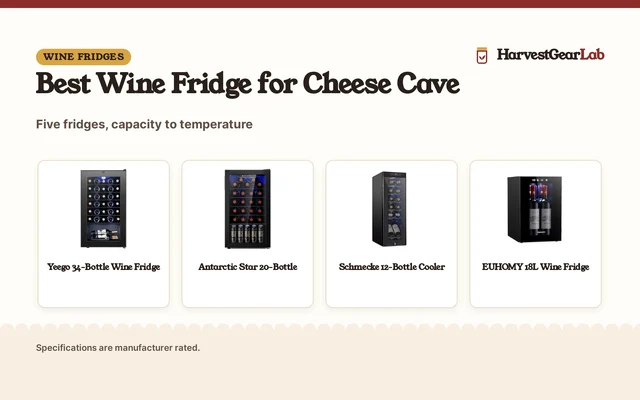
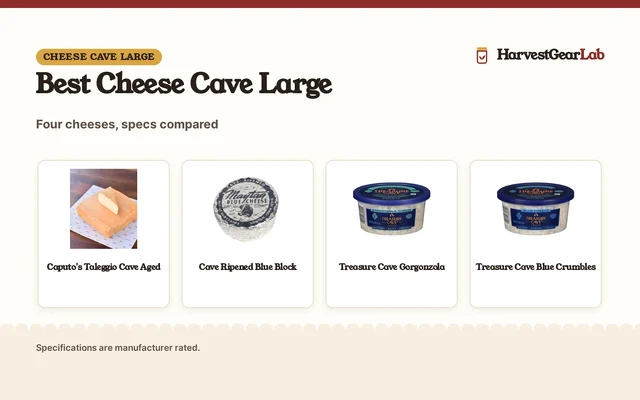
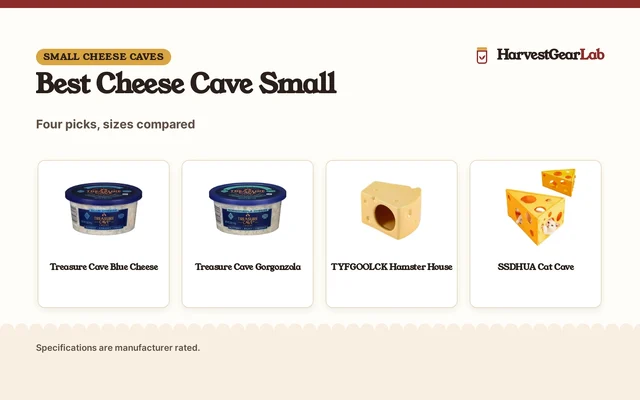
More picks: small cheese caves, large cheese caves, wine fridges for cheese caves and cold storage equipment.