
On this page
Top picks at a glance
As an Amazon Associate I earn from qualifying purchases.
- 1
 VEVOR 3.69 Gal Fruit Wine Press9.7/10View on Amazon
- 2
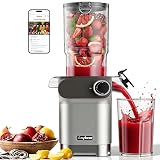 Anybear 200W Cold Press Juicer9.8/10View on Amazon
- 3
 SQUEEZE master Fruit Wine Cider Press9.4/10View on Amazon
- 4
 Green Fruit Wine Press 3.69 GalView on Amazon
- 5
 Hydropress Cider Wine Fruit PressView on Amazon
- 6
 Ninja NeverClog Cold Press JuicerView on Amazon
- 7
 Green Fruit Wine Press 2.38 GalView on Amazon
- 8
 Fruit Wine Press 2.38 GalView on Amazon
The apple tree is loaded and the buckets are full, so cider press vs fruit press is the question that decides how the harvest turns into juice. The short version: a cider press and a fruit press are the same machine with different names, and the real choice is size, basket material and whether you need a crusher. This guide explains the terms, the sizes and the extras, step by step.
Runners-up to consider
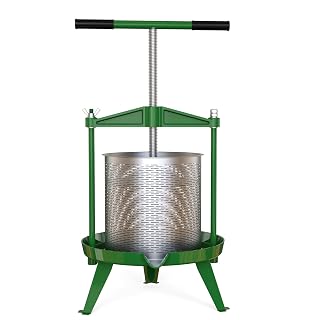 Green Fruit Wine Press 3.69 GalCheck price on Amazon
 Hydropress Cider Wine Fruit PressCheck price on Amazon
 Ninja NeverClog Cold Press JuicerCheck price on Amazon
 Green Fruit Wine Press 2.38 GalCheck price on Amazon
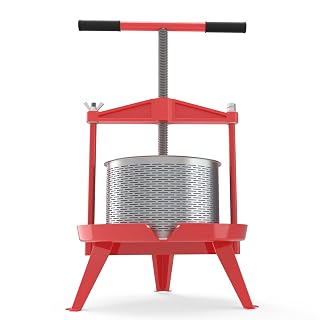 Fruit Wine Press 2.38 GalCheck price on Amazon
HarvestGearLab earns a commission when you buy through links on this page, at no extra cost to you. As an Amazon Associate I earn from qualifying purchases. Affiliate disclosure.
Cider press vs fruit press: the short answer
There is no mechanical difference between a cider press and a fruit press: both are basket presses that squeeze crushed fruit to release juice. Sellers call the same machine a cider press when they market it for apples and a fruit press when they market it for grapes and berries. Buy on capacity, basket material and mechanism, not on the name. The one real companion purchase is a crusher, because a press cannot squeeze whole fruit.
What a cider press does
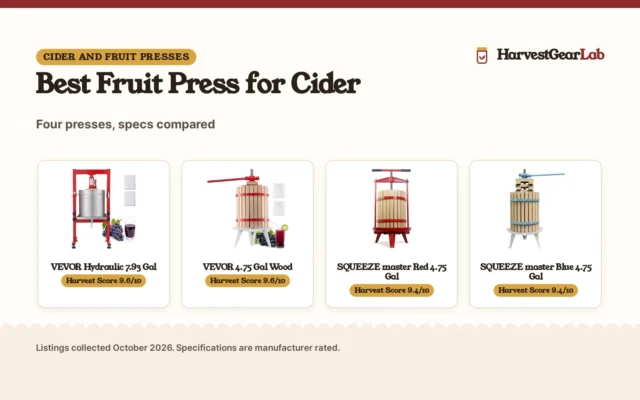
A cider press takes crushed apples, the pomace, and squeezes the juice out through a basket. The classic design is a slatted wooden basket with a screw or ratchet mechanism pressing a plate down onto the pulp. One manual press in our listings holds 3.2 gallons with a solid beech wood basket, and another holds 4.75 gallons with a heavy-duty stand. The basket is the working part: juice flows out between the slats while the pulp stays in.
Cider pressing is a batch job. Fill the basket with crushed fruit, press, release, refill. A 4.75 gallon basket handles a serious apple harvest; a 1.6 gallon basket suits a few trees. Match the basket to the harvest, not the ambition: an oversized press for a small crop wastes effort and space.
What a fruit press does
A fruit press does exactly the same thing to grapes, berries and other soft fruit. The same 3.2 gallon press that squeezes apples squeezes grapes; the same beech basket holds either. The only difference in practice is the pulp: berries need less crushing than apples, and some winemakers press whole clusters lightly for a gentler extraction.
Because the machines are the same, the comparison guides overlap: our wood vs stainless steel fruit press comparison covers the basket material choice, and our fruit press under 100 guide covers the smaller end of the market.
Size and capacity: 1.6 to 4.75 gallons
The manual presses in our listings run from 1.6 to 4.75 gallons: a 1.6 gallon press for small batches, a 3.2 gallon press for a family orchard, and a 4.75 gallon press for a serious harvest. Bigger is not automatically better. A half-filled large basket presses poorly, because the plate cannot bear down evenly on a thin layer of pulp. Buy the size you will fill.
Weight and footprint follow size. The heavy-duty stand on the 4.75 gallon press exists because a full basket of wet pulp is heavy and the pressing force is large. A small press sits on a table; a large one wants its own corner of the barn. Plan the space before the harvest, not during it.
The crusher question
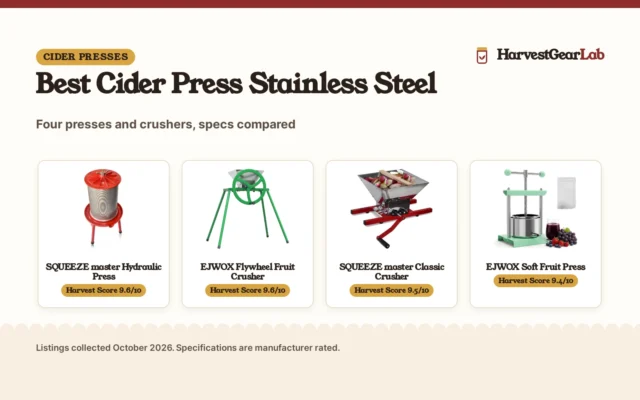
No press works on whole fruit. Apples must be crushed into pomace first, and that means a crusher or scratter. A 7-liter manual fruit crusher in our listings, 1.8 gallons, is the companion tool: stainless steel, portable, sized for home brewing and cider pressing. Without it, the press is a very expensive paperweight.
Plan for the crusher with the press. Some buyers get the press first and discover the gap on pressing day, when the apples sit whole in a basket that cannot squeeze them. Our apple crusher vs cider press guide explains how the two tools work together.
What to skip or double-check
Skip the juicer confusion. A cold press juicer with a 5.8-inch feed chute, like one in our listings, is a kitchen appliance for whole fruits and vegetables, not a harvest press. It makes glasses of juice; a basket press makes gallons. Different tools, different jobs.
Double-check the basket material. Beech wood is traditional and kind to the fruit, but it needs care: wash and dry it after use, and it will serve for years. Stainless steel costs more and cleans easier. Also check the press mechanism: screw presses are simple and strong, ratchet presses are faster to operate. Match the mechanism to how many batches you will run.
What this guide does not cover
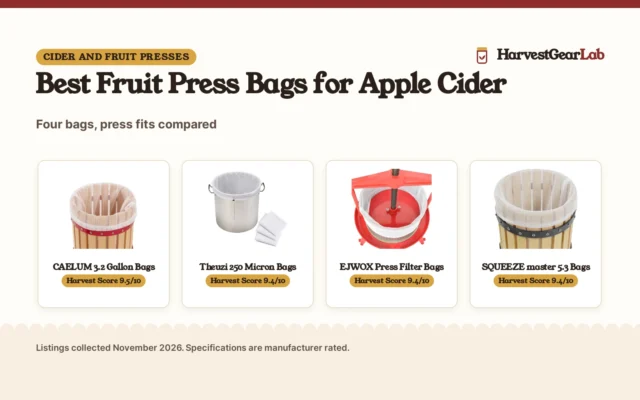
This guide does not cover hydraulic presses, which are a step up in price and power, or the fermenting that follows pressing; those are their own topics. It also does not cover brew bags, though a 22 by 26 inch 250 micron mesh bag in our listings works as a strainer for the pressed juice. See our cider and fruit presses category for the full set of guides.
FAQ: preserving at home
Is there a difference between a cider press and a fruit press?
No. They are the same basket-press machine sold under different names. Buy on capacity, basket material and mechanism.
What size press do I need?
Match the basket to the harvest: 1.6 gallons for a few trees, 3.2 for a family orchard, 4.75 for a serious harvest. A half-filled large basket presses poorly.
Do I need a crusher too?
Yes. A press cannot squeeze whole fruit; the apples must be crushed into pomace first. Plan for the crusher with the press.
More preserving guides
See every cider and fruit press guide and all harvest processing guides.
More guides: apple crusher vs cider press and cider press for small orchards.