
On this page
Top picks at a glance
As an Amazon Associate I earn from qualifying purchases.
- 1
 Tissting Manual Hand Crank Corn Thresher Sheller9.5/10View on Amazon
- 2
 Tyenaza Hand Crank Corn Thresher9.4/10View on Amazon
- 3
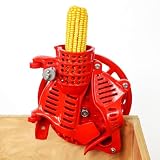 Maximizer Cast Iron Hand Crank Corn Sheller9.7/10View on Amazon
- 4
 Corn Sheller MachineView on Amazon
- 5
 Manual Corn ShellerView on Amazon
- 6
 Corn Sheller Hand Corn Thresher Manual and Electric 2-in-1View on Amazon
- 7
 Hand Corn Sheller with Wooden Handle CastView on Amazon
- 8
 Nasco Hand Corn ShellerView on Amazon
- 9
 LEE Field Corn Hand ShellerView on Amazon
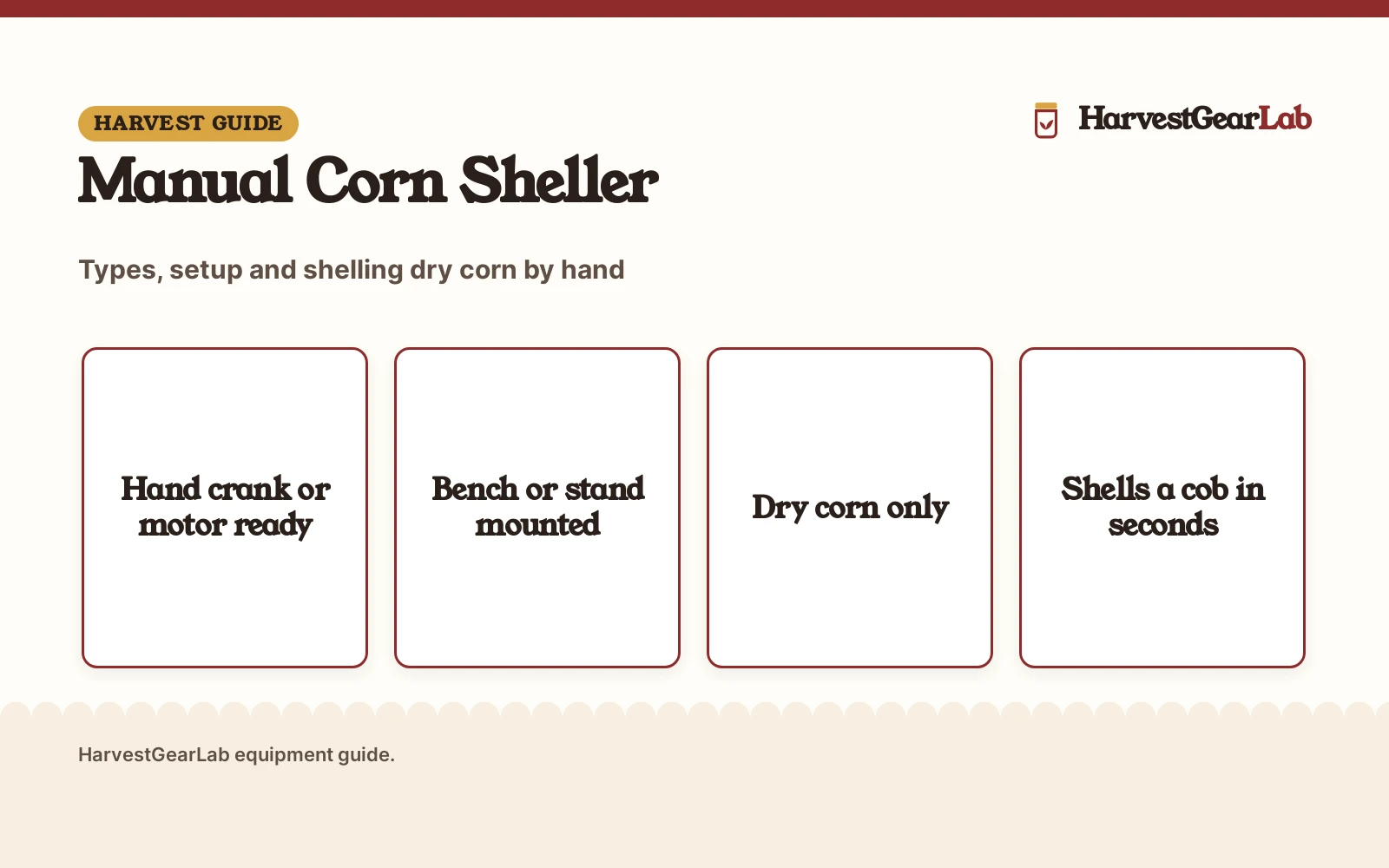
A manual corn sheller is a hand-crank tool that strips dry kernels from the cob without pounding or peeling by hand. You feed a dry cob into the inlet, turn the crank, and the kernels fall while the bare cob pops out the side. This guide explains the types you will see in listings, how to set one up, and how to shell a batch of dry corn with it.
Runners-up to consider
 Corn Sheller MachineCheck price on Amazon
 Manual Corn ShellerCheck price on Amazon
 Corn Sheller Hand Corn Thresher Manual and Electric 2-in-1Check price on Amazon
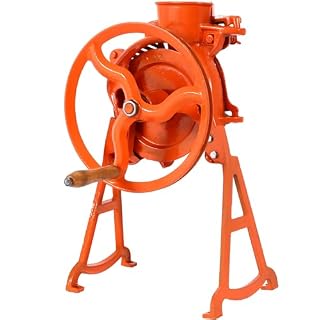 Hand Corn Sheller with Wooden Handle CastCheck price on Amazon
 Nasco Hand Corn ShellerCheck price on Amazon
 LEE Field Corn Hand ShellerCheck price on Amazon
HarvestGearLab earns a commission when you buy through links on this page, at no extra cost to you. As an Amazon Associate I earn from qualifying purchases. Affiliate disclosure.
Manual corn sheller: the types
Listings show several shapes of the same tool. The table sums up how each one mounts and where it fits.
| Type | How it mounts | Where it fits | Watch for |
|---|---|---|---|
| Handheld sheller | Held in the hand, crank on the side | Small batches at the kitchen counter | Grip comfort and a sturdy build |
| Bench-mount hand crank | Bolts to a bench or board through pre-drilled holes | Steady shelling at home | A stable base that does not wobble |
| Stand sheller with flywheel | Stands on its own base with a flywheel | Longer sessions on the farm | Weight and floor space |
| Hand crank with motor option | Crank by hand, or connect a motor | Home use now, powered shelling later | The motor is not included |
How a hand crank sheller works
The cob goes into the inlet, and turning the crank strips the kernels from the cob. Listings state an adjustable inlet: a spring mechanism or adjustable screws widen or narrow the opening to match the cob, so small, medium and large cobs all feed without jamming. As you crank, the kernels strip off and fall below, and the bare cob pops out the side on its own.
Most listings describe cast iron or steel construction with a wooden handle. The RTUSUML listing states a triangular base with pre-drilled holes for bolting to a workbench or base board, and the DAUEPKD listing states a bracket and wooden board for setting the sheller on a table or the ground. The FRITHJILL listing states a stand with a flywheel and a rigid bearing, and the STANSS and CQSXDA listings state a rigid bearing as well.
Set it up before you shell
Mount the sheller before the first cob goes in. Listings state pre-drilled holes for bolting the sheller to a workbench or its base board, and the RTUSUML listing states a triangular base for stability during use. A stand model stands on its own base. Set the sheller where the crank turns freely and the cob exit stays clear, with a container under the kernel outlet to catch what falls.
Match the inlet to the cob before you start. The RTUSUML listing states an adaptive spring mechanism at the inlet that adjusts to different corn sizes, and the FRITHJILL listing states adjustable screws for the same job. Check the fit with a cob from the batch, then leave the setting alone for cobs of the same size.
Shelling dry corn, step by step
Shell dry corn only, since the listings describe dry cobs. Feed a cob into the inlet and turn the crank at a steady pace. Listings state one cob shells in about 5 to 10 seconds, so a small batch moves quickly.
Let the bare cob pop out the side before you feed the next cob, and keep cranking at the same pace. The FRITHJILL, STANSS and CQSXDA listings state a rate of 40 to 60 kg (88 to 132 lbs) of corn per hour, with a 98% threshing rate and a 2% breakage rate. Those are maker figures for steady cranking, not a promise for every batch.
The FRITHJILL and STANSS listings state another use: these shellers can also hull walnuts. If you shell walnuts, use the same steps and check the inlet setting against the nut size.
What to check before you buy
Start with the build. The DAUEPKD listing states thick, high-strength steel plate, while other listings state cast iron or pig iron with a spray-paint finish. Look for a rigid bearing and a wooden handle that fits the hand, since the crank is the part you hold through the whole batch.
Check the mounting next. Pre-drilled holes and a triangular base suit a bench, while a stand model suits open floor space. The FRITHJILL listing states 12.0 by 11.0 by 17.5 inches and 12.8 pounds, and the Milzeone listings state 14.56 by 7.87 by 17.32 inches and 13.23 pounds. Match the footprint to the bench or floor where it will sit.
Check the inlet and the motor option. An adjustable inlet covers cobs of different sizes without jamming, and a 2-in-1 listing lets you crank by hand now and connect a motor later, with the motor not included. The DAUEPKD listing states 9.5 pounds, and the RTUSUML listing states 19.62 pounds, so check the weight if you plan to move the sheller between the house and the barn.
What this guide does not cover
This guide covers the tool only. It does not give drying times or storage times for shelled corn, and it does not give recipes. Take drying and storage guidance from current USDA and National Center for Home Food Preservation guidance, and follow it exactly for each batch. Every harvest processing guide on the site is collected in our harvest processing section.
FAQ: preserving at home
How fast is a manual corn sheller?
Listings state one cob shells in about 5 to 10 seconds. The FRITHJILL, STANSS and CQSXDA listings state 40 to 60 kg (88 to 132 lbs) per hour, with a 98% threshing rate and a 2% breakage rate.
Does a manual corn sheller work on fresh corn?
The listings in this guide describe dry corn cobs, so match the tool to dry corn. A cob for shelling should be dry before it goes into the inlet.
Can I connect a manual corn sheller to a motor?
Some listings state a 2-in-1 design: crank by hand, or connect a motor for electric use. The motor is not included, so check the listing before you buy.
What size corn cobs fit?
Listings state an adjustable inlet, with a spring mechanism or adjustable screws that widen or narrow the opening for small, medium and large cobs.
Do I need to bolt it down?
Listings state pre-drilled holes for bolting to a workbench or base board, and a triangular base for stability. A stand model stands on its own base, so check what the listing includes before you buy.
More preserving guides
See every corn cutters guide and all harvest processing guides.
More picks: grain mills, food mills, cider presses and fruit pickers.