
On this page
Top picks at a glance
As an Amazon Associate I earn from qualifying purchases.
- 1
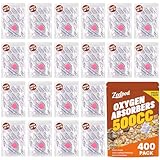 Zeefpod 500cc Oxygen Absorbers9.7/10View on Amazon
- 2
 FoodSaver Vacuum Sealer FSFRSH0053 FreshSaver HandheldView on Amazon
- 3
 FoodSaver® Handheld+ 2-in-1 Vacuum Sealing SystemView on Amazon
- 4
 FoodSaver Vacuum Sealing System Handheld Sealer Single HandedView on Amazon
Choosing between oxygen absorbers vs vacuum sealing methods comes down to this: oxygen absorbers are small packets that remove oxygen inside a sealed container, best for long-term dry storage in mylar bags, while vacuum sealing mechanically removes air and heat-seals the bag, best for the freezer and shorter-term storage. Many preservers use both. Every figure below comes from an oxygen absorber listing we compared; no vacuum sealer listings were in our reference set, so we describe those without numbers.
Runners-up to consider
 FoodSaver Vacuum Sealer FSFRSH0053 FreshSaver HandheldCheck price on Amazon
 FoodSaver® Handheld+ 2-in-1 Vacuum Sealing SystemCheck price on Amazon
 FoodSaver Vacuum Sealing System Handheld Sealer Single HandedCheck price on Amazon
HarvestGearLab earns a commission when you buy through links on this page, at no extra cost to you. As an Amazon Associate I earn from qualifying purchases. Affiliate disclosure.
How oxygen absorbers work
An oxygen absorber is a small packet you drop into an airtight container before sealing it. The packet’s contents react with oxygen and pull it out of the air inside. Several listings stress the same point: absorbers do not absorb air, they absorb oxygen, which is 20% of the air per the ZRLEI, NIKUY and NKLEI listings and 21% per the Wallaby and Midukit listings. About 1/5 of the air volume is removed and 4/5 remains, so bags will not shrink like a vacuum bag, per the same listings.
Sizes in the listings run 100CC to 500CC. The Hombao listing gives a size chart: 100cc for 0.25 gallon, 200cc for 0.5 gallon, 300cc for 0.75 gallon, 400cc for 1 gallon, 500cc for 1.5 gallon, 700cc for 2 gallon and 1000cc for 3 gallon. Counts run 50 to 200 packets, with the Midukit individually sealed in 50 and the Wallaby and others in 100-count packs. All state food-grade materials; the Wallaby states FDA food grade, and the LIFJOY and LinsKind state ISO 9001 certification. The Hombao claims 30% moisture absorption, reported as the maker’s claim. Our vacuum sealing vs mylar bags guide compares sealing with bag storage.
How vacuum sealing works
A vacuum sealer is a machine that sucks air out of a special bag and heat-seals it shut. Unlike absorbers, it removes the air mechanically in seconds, and the bag visibly tightens around the food. It works with bags, rolls and jar attachments, and it handles moist foods, meats and liquids that absorbers are not meant for.
The trade-off is equipment and ongoing cost: you need the machine and a supply of bags, and the seal is only as good as the bag. For the freezer, vacuum sealing is the standard choice; for a pantry shelf of dry goods, absorbers in mylar cost less per container. No vacuum sealer listings were in our reference set, so no figures are given here; check the machine you are considering.
Oxygen absorbers vs vacuum sealing, side by side
| Point | Oxygen absorbers | Vacuum sealing |
|---|---|---|
| How it works | Packets absorb oxygen inside a sealed container | Machine removes air, then heat-seals |
| Air removed | About 1/5, the oxygen fraction, per listings | Most of the air, bag tightens |
| Stated sizes | 100CC to 500CC; chart by container gallons | Check the machine; none in our reference set |
| Best for | Dry goods in mylar: grains, beans, pasta | Freezer, meats, moist foods |
| Equipment | Packets only; needs an airtight container | Sealer machine plus bags |
Which should you buy
For long-term pantry storage of dry goods, buy oxygen absorbers: match the CC to the container with the Hombao chart, seal them in mylar bags or mason jars, and use them quickly once opened, since exposure weakens them. The individually sealed Midukit 50-pack and the 10-per-bag LIFJOY suit small batches.
For the freezer or for moist foods, buy a vacuum sealer: it handles what absorbers cannot. For maximum protection of dry goods, use both: vacuum-seal, then add an absorber before the final seal. See our mason jar vs vacuum sealer bag guide for container choices, and our best mylar bags for beans picks for bags.
What this guide does not cover
We do not give food safety times or shelf-life promises, because safe storage depends on the food, the moisture content and the seal. Follow USDA and manufacturer guidance for anything you eat. We also do not cover canning, which is a separate heat process; check the seal on every container before you trust it, and follow the packet maker’s handling notes.
FAQ: preserving at home
Do oxygen absorbers create a vacuum?
No. The listings state absorbers remove oxygen, about 1/5 of the air, while 4/5 remains. Bags will not shrink like a vacuum bag.
What size absorber fits a 1-gallon bag?
The Hombao chart recommends 400cc for 1 gallon and 500cc for 1.5 gallon. The ZRLEI, Wallaby, NIKUY and NKLEI 400cc and 500cc listings name 1-gallon mylar bags.
Can absorbers be used with oily foods?
Several listings state an anti-oil film design for use with oily foods, including the O2frepak, LIFJOY, LinsKind and Hombao. Check the listing you consider.
Do the listings state food-grade materials?
All state food-grade materials. The Wallaby states FDA food grade, and the LIFJOY and LinsKind state ISO 9001 certification.
More preserving guides
See every food storage guide.
More picks: vacuum sealing vs mylar bags, mason jar vs vacuum sealer bag, mylar bags for beans and mylar bags for flour storage.