
On this page
Top picks at a glance
As an Amazon Associate I earn from qualifying purchases.
- 1
 Silicone Freezer Molds for FoodView on Amazon
- 2
 Souper Cubes 2 Cup Silicone Food Freezer MoldView on Amazon
- 3
 Souper Cubes 2 Cup Silicone Molds for FoodView on Amazon
- 4
 Presto 06306 Dehydro Electric Food Dehydrator DehydratingView on Amazon
Dehydrating and freezing both preserve the harvest, but they answer different questions. Dehydrating makes food light, compact and shelf-stable with no freezer required; freezing keeps texture and flavor closer to fresh, at the cost of freezer space and a running appliance. Neither is universally better: herbs and fruit lean toward the dehydrator, soups and berries lean toward the freezer. This guide compares the two method by method, with concrete figures from current listings where they help.
Runners-up to consider
 Silicone Freezer Molds for FoodCheck price on Amazon
 Souper Cubes 2 Cup Silicone Food Freezer MoldCheck price on Amazon
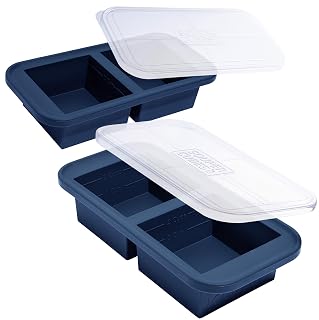 Souper Cubes 2 Cup Silicone Molds for FoodCheck price on Amazon
 Presto 06306 Dehydro Electric Food Dehydrator DehydratingCheck price on Amazon
HarvestGearLab earns a commission when you buy through links on this page, at no extra cost to you. As an Amazon Associate I earn from qualifying purchases. Affiliate disclosure.
Dehydrating vs freezing food at a glance
| Dehydrating | Freezing | |
|---|---|---|
| Texture | Chewy, crisp or leathery | Closest to fresh |
| Storage | Room temperature, compact | Freezer space required |
| Portioning | By the handful | 1-cup trays to 6-cup blocks |
| Best for | Herbs, fruit, jerky, snacks | Soups, berries, meal prep |
When dehydrating wins
Dehydrating wins on storage: dried food sits at room temperature in jars or bags, weighs a fraction of the fresh weight, and needs no electricity after processing. Herbs, apple chips, fruit leather and jerky are the classic wins, and the method suits anyone short on freezer space. A dehydrator cookbook and a preserving guide covering 55 fruits and vegetables are the kind of references that turn a first batch into a routine. Dehydrating takes hours per batch and changes texture permanently, so it suits foods you eat dried, not foods you want to taste fresh later.
When freezing wins
Freezing wins on texture and speed: blanch, pack and freeze, and the food thaws close to how it went in. Soups, stews, berries and blanched vegetables keep their character far better frozen than dried. The tradeoff is space and dependence on the freezer: a power outage is a race against the thaw, and bulky containers eat shelf room. For gardeners who cook in batches, freezing is the lower-effort path from harvest to winter meals.
Portioning: the freezer’s edge
Freezing rewards portioning, and the listings show how granular it gets. The Xomoo tray makes 8 perfect 1-cup portions in a 2-pack; the ZIP STANDING tray marks 125 ml (4 oz) and 250 ml (8 oz) on 1-cup compartments; the GGOW tray offers 1-cup (250 ml) and 2-cup (500 ml) fill lines. For bigger batches, the YouCopia FreezeUp makes 6-cup (48 fl oz) blocks that fit gallon-size bags, and the BiuLeon set packs six 24 oz twist-top containers. The Amazon Basics quart freezer bags come 120 to a box with a double zipper and stand-and-fill base. Freeze in the portion you will thaw: a 1-cup soup puck thaws for lunch, a 6-cup block feeds the family.
Equipment and effort
Dehydrating needs a dehydrator and hours of run time per batch, plus jars or bags for the dried result. Freezing needs bags, trays or containers and a baggy rack holder to keep bags upright while filling; the Ruibo rack folds flat when done. Silicone trays pull double duty: the Xomoo withstands minus 8 to 428 degrees F, so the same tray goes from freezer to oven. Either way, label everything: the best canning labels for freezer jars exist because every frozen block looks the same in February. Our best canning labels for freezer jars roundup covers the options.
FAQ: preserving at home
Which keeps food safe longer?
Both keep food for months when done right. Dehydrated food keeps at room temperature; frozen food keeps as long as the freezer stays frozen. Follow current USDA guidance for either method.
Which is better for herbs?
Dehydrating: dried herbs store compactly at room temperature and rehydrate in cooking.
What portion sizes work best for freezing?
Match the portion to the meal: 1-cup trays for single servings, 2-cup lines for sides, 6-cup blocks or 24 oz containers for family meals, quart bags for bulk.
Do I need special bags for freezing?
Freezer bags beat storage bags: the Amazon Basics quart bags come 120 per box with a double zipper seal and BPA-free construction.
More preserving guides
See every drying guide. Also see our freeze drying vs canning. Also see our canning vs dehydrating food.
More picks: freeze drying vs canning, canning vs dehydrating and labels for freezer jars.