
On this page
Top picks at a glance
As an Amazon Associate I earn from qualifying purchases.
- 1
 Arrow 2pk Canning Funnel9.7/10View on Amazon
- 2
 32oz Canning JarsView on Amazon
- 3
 Ball Wide Mouth Clear Glass Canning Quart 32 Oz Mason JarsView on Amazon
- 4
 Norpro Canning Essentials Boxed SetView on Amazon
- 5
 SPANLA Mason Jars 8 oz 24 Pack Canning jars 8oz with RegularView on Amazon
- 6
 SPANLA Mason Jars Variety PackView on Amazon
- 7
 IMUSA 6 Qt Enamel Stock Pot for CanningView on Amazon
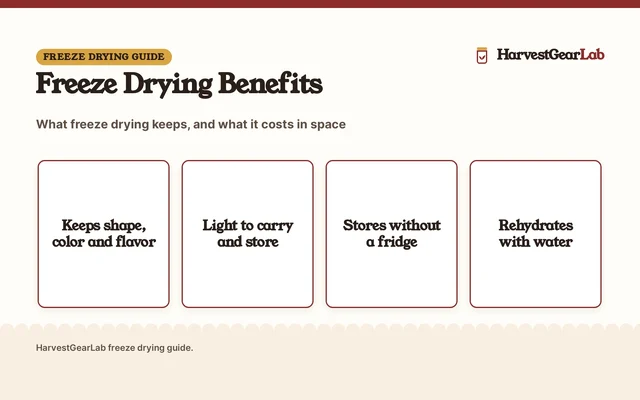
When the counter fills with tomatoes and the freezer starts to bulge, the freeze drying vs canning question comes down to what you want from the jar or bag at the end. Canning heat-processes food in sealed jars for the pantry; freeze drying freezes food and removes the ice under vacuum, leaving light, dry pieces that drink water back up. Pick canning for familiar pantry jars and pickles, and freeze drying for crisp, light pieces that keep their shape; many gardeners end up doing both.
Runners-up to consider
 32oz Canning JarsCheck price on Amazon
 Ball Wide Mouth Clear Glass Canning Quart 32 Oz Mason JarsCheck price on Amazon
 Norpro Canning Essentials Boxed SetCheck price on Amazon
 SPANLA Mason Jars 8 oz 24 Pack Canning jars 8oz with RegularCheck price on Amazon
 SPANLA Mason Jars Variety PackCheck price on Amazon
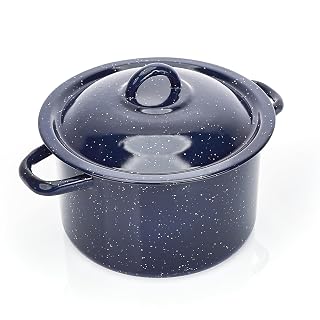 IMUSA 6 Qt Enamel Stock Pot for CanningCheck price on Amazon
HarvestGearLab earns a commission when you buy through links on this page, at no extra cost to you. As an Amazon Associate I earn from qualifying purchases. Affiliate disclosure.
How freeze drying works
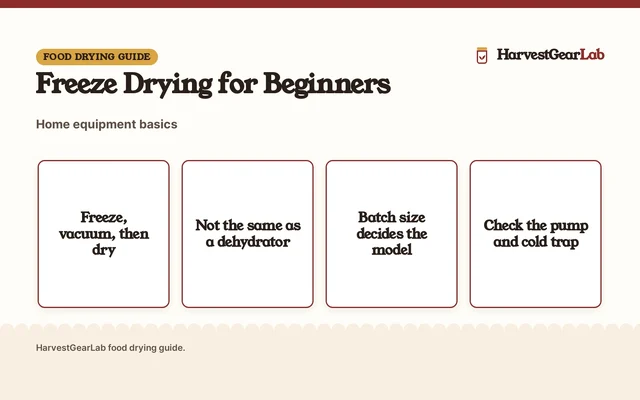
Freeze drying works in two stages: the food is frozen solid, then a vacuum pulls the ice out as vapor without thawing it. What is left is dry, light food with its shape mostly intact; add water and much of it plumps back. A home freeze dryer is a serious appliance: the VEVOR listing describes an 8.8 to 13.2 lbs per batch capacity (4 to 6 kg) across 4-layer trays, a -35°C cold trap, 1550 watts of power, noise at or under 60dB, and a footprint of 29.92 by 21.65 by 35.04 inches at 245.8 pounds. That is a dedicated corner of the room, not a countertop gadget. Prep matters too: the Wonderjune pin roller, 8.27 inches long with a 4.13 inch gear width, pierces blueberries and grapes so moisture escapes evenly, and tray mats such as the 200-piece TiciKim set (13.3 by 7 inches) or the 150-piece KAWENDE set (17.2 by 7 inches) keep food from sticking to the trays.
How canning works
Canning packs food into jars, seals them with lids, and heat-processes the sealed jars so they keep in the pantry. High-acid foods, such as most fruits, jams, jellies and pickles, go in a boiling water bath when you follow a current USDA recipe. Low-acid foods, such as plain vegetables, meat and stock, need a pressure canner; boiling water alone does not get hot enough for them. Never process jars in the oven, and never use an electric pressure cooker for canning unless the maker states it is made for pressure canning. Take every recipe, time, pressure and altitude adjustment from current USDA and National Center for Home Food Preservation guidance and follow it exactly. Our water bath canner vs pressure canner comparison walks through the two canner types.
Freeze drying vs canning at a glance
| Freeze drying | Canning | |
|---|---|---|
| How it preserves | Freezes food, then removes ice under vacuum | Heat-processes sealed jars |
| Gear | Freeze dryer; the example lists 4 trays and 8.8 to 13.2 lbs per batch | Canner, jars, lids, bands and hand tools |
| Footprint | Example unit: 29.92 by 21.65 by 35.04 inches, 245.8 pounds | Stove-top pots plus pantry shelves |
| Pantry result | Light, dry pieces in airtight packaging | Sealed jars of familiar foods |
| Key rule | Keep every trace of moisture out after drying | Follow USDA times and pressures exactly |
Which foods suit which method
Match the method to the food. Freeze drying suits fruits, vegetables and meats where you want light pieces that rehydrate, and herbs and snacks you want crisp; the VEVOR listing names meat, seafood, vegetables and fruits as suitable. Canning suits tomatoes, pickles, jams and sauces you want ready to eat from the jar, plus plain vegetables and stock in a pressure canner. Foods with skins that trap moisture, like whole blueberries and grapes, dry better pierced, and the Wonderjune roller is made for that job. When a food could go either way, let your storage space and batch size decide. For a closer look at the drying side, see our freeze dryer vs dehydrator comparison.
Storage after preserving
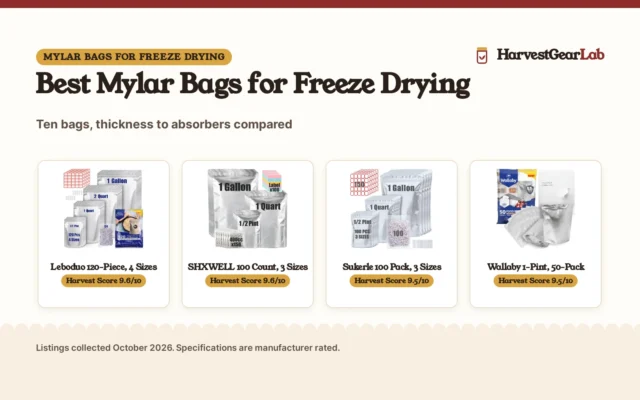
Both methods fail if storage is sloppy. Freeze-dried food must stay in airtight, moisture-proof packaging; a single damp day can ruin a batch, so pack it as the equipment maker directs and see our best mylar bags for freeze dried food guide for bag options. Canned jars belong in a cool, dark pantry with the seals checked before eating; any jar that did not seal goes to the fridge or gets reprocessed per USDA guidance. Label everything with the contents and the date so the oldest goes first.
What this guide does not cover
This guide compares methods; it does not give recipes, processing times, pressures, headspace figures or altitude adjustments. Take those from current USDA and National Center for Home Food Preservation guidance, or a current edition of a trusted preserving guide, and follow them exactly. For gear specifics, see our best pressure canner, best water bath canner and best freeze dryer trays comparisons.
FAQ: preserving at home
Can I freeze dry and can the same harvest?
Yes. Many gardeners can tomatoes and pickles while freeze drying fruits and herbs; match each food to the method that suits it.
How much fits in a home freeze dryer batch?
The VEVOR listing states 8.8 to 13.2 lbs per batch across 4 trays.
Do I need a pressure canner for plain vegetables?
Yes. Low-acid foods such as plain vegetables, meat and stock need a pressure canner; take times and pressures from current USDA guidance.
What packaging suits freeze-dried food?
Airtight, moisture-proof packaging as the equipment maker directs, since any moisture ruins the batch.
Which method needs less kitchen space?
Canning gear breaks down to pots and jars between seasons, while a freeze dryer is a permanent appliance; the VEVOR example measures 29.92 by 21.65 by 35.04 inches and weighs 245.8 pounds.
More preserving guides
See every canning guide and all drying guides.
More picks: pressure canners, water bath canners, freeze dryer trays and freeze dryer vs dehydrator.