
On this page
Top picks at a glance
As an Amazon Associate I earn from qualifying purchases.
- 1
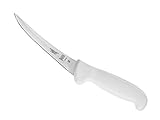 Mercer 6 Inch Curved Boning9.6/10View on Amazon
- 2
 OUTDOOR EDGE RazorLite 6-Blade9.6/10View on Amazon
- 3
 OUTDOOR EDGE RazorLite 30-Blade9.5/10View on Amazon
The skinning knife vs boning knife question comes up as soon as a deer is down and the meat work waits. One knife is built to peel hide from flesh, the other is built to follow bone and trim sinew, and the listings in this comparison state those jobs plainly. This comparison reads each listing on its own terms and sets the skinning side against the boning side, so the choice follows the job in front of you.
HarvestGearLab earns a commission when you buy through links on this page, at no extra cost to you. As an Amazon Associate I earn from qualifying purchases. Affiliate disclosure.
Quick verdict: choose a skinning knife if the job is skinning and field dressing a deer; the Outdoor Edge RazorLite example carries a 3.5 inch replaceable blade and 6 blades in the pack. Choose a boning knife if the job is cutting meat from the bone; the Mercer example carries a 6 inch curved blade in high-carbon Japanese steel. Many hunters end up with both, because neither knife covers the other job in these listings.
What made the list
| # | Product | Harvest Score | Buy |
|---|---|---|---|
| 1 | Mercer 6 Inch Curved Boning | 9.6/10 | Buy on Amazon |
| 2 | OUTDOOR EDGE RazorLite 6-Blade | 9.6/10 | Buy on Amazon |
| 3 | OUTDOOR EDGE RazorLite 30-Blade | 9.5/10 | Buy on Amazon |
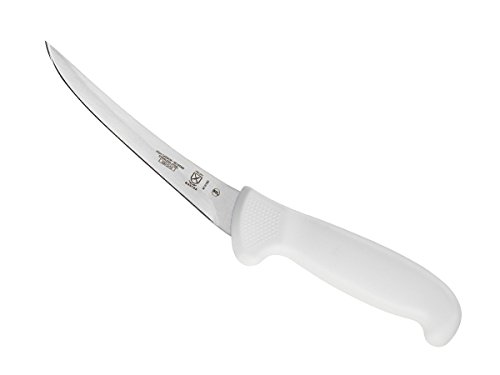
Mercer 6 Inch Curved Boning
A 6 inch curved boning knife in high-carbon Japanese steel with an ergonomic handle, built for cutting meat from the bone.
Pros
- 6 inch curved blade built for cutting meat from the bone
- High-carbon Japanese steel, stated for easy edge maintenance
- Ergonomic handle with textured finger points for a non-slip grip
- Suits deboning chicken, ham and fish, and trimming fat and sinew
Cons
- 6 inch curved blade is built for boning, not for skinning large game
- Hand wash only; the maker says not to use a dishwasher
- No sheath or storage case is stated
- No warranty term is stated

OUTDOOR EDGE RazorLite 6-Blade
A 3.5 inch pocket knife with replaceable stainless steel blades, a non-slip grip and a pocket clip, built for skinning and field dressing deer.
Pros
- Replaceable blades swap in when one goes dull, with no sharpening in the field
- 6 blades included, with extra blade packs available separately
- 420J2 stainless steel blade holder with a black oxide coating
- Non-slip rubberized TPR grip on a Grivory frame, plus a stainless steel pocket clip
Cons
- 3.5 inch blade is short for large game or long bench cuts
- Replaceable blades mean extra blade packs are a separate purchase
- No sheath is stated, so the pocket clip is the only carry stated
- No warranty term is stated

OUTDOOR EDGE RazorLite 30-Blade
A 3.5 inch pocket knife with replaceable stainless steel blades, a non-slip grip and a pocket clip, with 30 blades in the pack.
Pros
- Replaceable blades swap in when one goes dull, with no sharpening in the field
- 30 blades included, with extra blade packs available separately
- 420J2 stainless steel blade holder with a black oxide coating
- Non-slip rubberized TPR grip on a Grivory frame, plus a stainless steel pocket clip
Cons
- 3.5 inch blade is short for large game or long bench cuts
- Replaceable blades mean extra blade packs are a separate purchase
- No sheath is stated, so the pocket clip is the only carry stated
- Pocket knife frame suits field carry more than steady bench work
As an Amazon Associate I earn from qualifying purchases.
Runners-up to consider
 ROCOCO Viking Cleaver Knife BirthdayCheck price on Amazon
 Mercer Culinary BPXCheck price on Amazon
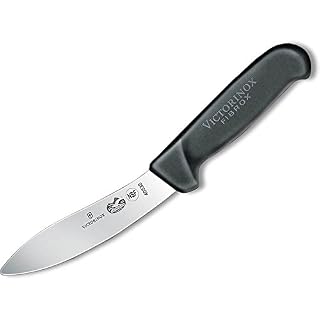 Victorinox 5" Lamb Skinning KnifeCheck price on Amazon
 Wiebe 4" Blue Handle Skinning KnifeCheck price on Amazon
 OUTDOOR EDGE ErgoMax 6-Piece Professional Game ProcessingCheck price on Amazon
 Mercer Culinary Ultimate WhiteCheck price on Amazon
Skinning knife vs boning knife: side by side
| Knife | Harvest Score | Knife Type | Blade Length | Weight | Blade | Handle | Amazon |
|---|---|---|---|---|---|---|---|
| Mercer 6 Inch Curved Boning | 9.6/10 | Boning knife | 6 inch | 0.2875 pounds | High-carbon Japanese steel | Ergonomic, textured finger points | View on Amazon |
| OUTDOOR EDGE RazorLite 6-Blade | 9.6/10 | Skinning knife | 3.5 inch | 0.3 pounds | Stainless steel replacement blades | Grivory frame, rubberized TPR grip | View on Amazon |
| OUTDOOR EDGE RazorLite 30-Blade | 9.5/10 | Skinning knife | 3.5 inch | 0.13 pounds | Stainless steel replacement blades | Grivory frame, rubberized TPR grip | View on Amazon |
Each spec is the brand’s own rating, read off the product listing on 14 November 2026.
What each knife is for
A skinning knife earns its place in the field. The Outdoor Edge listing describes its RazorLite as a hunting knife to skin and field dress deer, with replaceable blades that swap in when one goes dull. A boning knife earns its place at the bench. The Mercer listing describes its 6 inch curved boning knife as built for cutting meat from the bone, ideal for deboning chicken, ham and fish, and for trimming fat and sinew. The what is a boning knife guide explains the curved blade and its kitchen jobs in more detail.
The split is about the cut, not the brand. Skinning calls for a short blade that stays close to the hide, while boning calls for a longer curved blade that rides along bone. Neither listing claims its knife does the other job, and the comparison below keeps each knife on its own side of that line.
Blade length and shape
Blade length is the clearest split in these listings. The RazorLite blade is 3.5 inches on both Outdoor Edge listings, while the Mercer boning blade is 6 inches and curved. That gap shapes what each knife can do: the shorter blade stays close to the hand for skinning work, and the longer curved blade reaches along bone and under fat.
Shape matters as much as length. The Mercer curve follows the line of a bone, which is why the maker lists deboning chicken, ham and fish among its uses. The RazorLite listing states no curve, only a 3.5 inch replaceable blade, so its edge is described by length and by the swap system rather than by shape.
Blades you swap and blades you maintain
The RazorLite runs on replaceable blades. The maker states that replacing a blade is quick, that a fresh blade carries a sharp edge, and that extra blade packs are available for separate purchase. The 6-blade listing includes 6 blades, and the 30-blade listing states 30 blades in its title. A hunter who skins deer through a season can carry spares instead of a sharpener.
The Mercer runs on a single blade that the owner maintains. The maker states high-carbon Japanese steel for easy edge maintenance and a sharp blade, and the care notes call for washing by hand with warm water and mild soap, then rinsing and drying completely with a soft towel. The maker also says not to place the knife in a dishwasher or leave it soaking for long periods.
Grip, weight and carry
Both makers state a non-slip grip. The RazorLite pairs a Grivory fiberglass and nylon polymer frame with a rubberized TPR grip, and adds a stainless steel pocket clip so the knife rides in a pocket. The Mercer pairs an ergonomic handle with textured finger points and a non-slip grip for comfort and control at the bench.
Weight is close between the two knives that state it plainly. The 6-blade RazorLite listing gives 0.3 pounds, and the Mercer listing gives 0.2875 pounds. The 30-blade RazorLite listing gives a different weight, which the listing gaps section below covers.
Listing gaps to check
A few gaps deserve a check before ordering. One gap is the blade count on the 30-blade RazorLite listing, which gives 30 in the title and 6 in the bullets, so the pack count is unclear. Another gap is the weight on the same listing, 0.13 pounds, which does not match the 0.3 pound figure on the 6-blade listing of the same knife. A further gap is the set of dimensions on the same listing, which does not match the 10.0 by 4.3 by 0.75 inch size on the 6-blade listing. In each case the title and bullets were trusted over the conflicting figures.
None of the 3 listings states a warranty term. The 6-blade RazorLite warranty field reads only Warranty, and the other listings show no term at all. That is why none of the 3 knives earns warranty points in the scores below.
How the knives scored
| Product | Harvest Score | Perf. /35 | Build /25 | Value /25 | Safety /10 | Warranty /5 |
|---|---|---|---|---|---|---|
| Mercer 6 Inch Curved Boning | 9.6 | 30 | 21 | 21 | 7 | 0 |
| OUTDOOR EDGE RazorLite 6-Blade | 9.6 | 29 | 21 | 20 | 6 | 0 |
| OUTDOOR EDGE RazorLite 30-Blade | 9.5 | 28 | 20 | 20 | 6 | 0 |
We convert every point total into a number no lower than 9.2 and no higher than 9.8, keeping the order the points set.
The Harvest Score weighs performance, build, value, safety and warranty. For knives, safety covers the stated grip and carry features: the non-slip rubberized grip and pocket clip on the RazorLite knives, and the textured finger points and non-slip grip on the Mercer. The Mercer scores higher for its clear curved blade and stated steel, while the 30-blade RazorLite scores lower for its conflicting blade count and weight. None of the 3 knives earns warranty points because none states a term. How we pick explains the weights.
Which should you choose?
Choose a skinning knife if you hunt and need to skin and field dress deer, and you like swapping in a fresh blade instead of sharpening in the field. The RazorLite 6-blade example suits that job, with 6 blades in the pack and a pocket clip for carry. Keep the edge fresh with a sharpener made for hunters; the best knife sharpener for hunters guide compares options.
Choose a boning knife if your meat work happens at the bench: deboning chicken, ham and fish, and trimming fat and sinew. The Mercer example suits that job, with a 6 inch curved blade and a grip built for control. If you also fillet fish, the boning knife vs fillet knife comparison sets those two blades side by side.
Whichever side you pick, match the knife to the job and check the listing gaps above before ordering.
In the Preserving Kitchen
- Wash the Mercer boning knife by hand after each use with warm water and mild soap, then rinse and dry it completely with a soft towel.
- Do not place the Mercer knife in a dishwasher or leave it soaking for long periods.
- Swap in a fresh RazorLite blade when the edge goes dull, and keep spare blades in the pack until needed.
- Clip the RazorLite to a pocket so it stays with you, and store each knife dry between uses.
FAQ: preserving at home
Can a boning knife skin a deer?
The Mercer listing describes a boning knife for cutting meat from the bone and trimming fat and sinew, while the Outdoor Edge listing describes a skinning knife for skinning and field dressing deer. Each listing states its own job, so pick the knife whose stated job matches yours.
How many blades come with the RazorLite?
The 6-blade listing states 6 blades, while the 30-blade listing states 30 blades in its title and 6 in its bullets. Check before ordering, since the two counts disagree.
Can you put the Mercer boning knife in the dishwasher?
No. The maker says to wash it by hand with warm water and mild soap, rinse and dry it completely, and not to place it in a dishwasher or leave it soaking for long periods.
What is the blade length of each knife?
The RazorLite blade is 3.5 inches on both Outdoor Edge listings, and the Mercer boning blade is 6 inches.
More preserving guides
See every meat processing guide, every fish processing guide and all game and fish processing guides.
More picks: what is a butcher knife, what is a boning knife, boning knife vs fillet knife and knife sharpener for hunters.