
On this page
Top picks at a glance
As an Amazon Associate I earn from qualifying purchases.
- 1
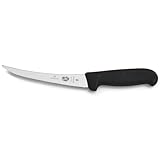 Victorinox Fibrox 6-Inch9.7/10View on Amazon
- 2
 imarku 6-Inch Fillet9.5/10View on Amazon
- 3
 Victorinox Wood 6-Inch9.5/10View on Amazon
- 4
 ROCOCO Viking Cleaver9.4/10View on Amazon
A whole chicken on the board needs the meat off the bone. What do you use a boning knife for? Trimming meat and fish from the bone, filleting fish and deboning, with a narrow, curved blade that follows the bone. The knives below show the flexible, semi-stiff and cleaver-shaped options, and which job each one handles.
HarvestGearLab earns a commission when you buy through links on this site, at no extra cost to you. As an Amazon Associate I earn from qualifying purchases. Affiliate disclosure.
| # | Product | Harvest Score | Buy |
|---|---|---|---|
| 1 | Victorinox Fibrox 6-Inch | 9.7/10 | Buy on Amazon |
| 2 | imarku 6-Inch Fillet | 9.5/10 | Buy on Amazon |
| 3 | Victorinox Wood 6-Inch | 9.5/10 | Buy on Amazon |
| 4 | ROCOCO Viking Cleaver | 9.4/10 | Buy on Amazon |

Victorinox Fibrox 6-Inch
A 6-inch curved, flexible boning and fillet knife in stainless steel with a slip-resistant Fibrox handle, suited to trimming meat and fish from the bone.
Pros
- Curved, flexible blade ideal for thinner, delicate cuts
- Textured, slip-resistant Fibrox handle, NSF approved
- Lifetime warranty against defects in material and workmanship
Cons
- Flexible blade suits delicate cuts, not heavy chopping
- Sharpeners sold separately
- Only a 6-inch size is listed

imarku 6-Inch Fillet
A 6-inch fillet and boning knife in German high-carbon stainless steel at 56 Rockwell hardness with a Pakkawood handle, suited to filleting fish and deboning meat and poultry.
Pros
- 56 Rockwell hardness German steel for edge retention
- Narrow blade for precise close-to-bone slicing
- Pakkawood handle is non-slip, durable and easy to clean
Cons
- Hand washing recommended; dishwashing not recommended
- No warranty term is stated
- Only a 6-inch size is listed

Victorinox Wood 6-Inch
A 6-inch extra narrow, semi-stiff curved boning knife in stainless steel with a maple handle, suited to delicate trimming and deboning.
Pros
- Extra narrow, semi-stiff curved blade for agile trimming
- Wear-resistant stainless steel with maple handle
- Curved blade for delicate trimming and deboning tasks
Cons
- Semi-stiff blade is less flexible than the Fibrox
- No warranty term is stated
- Narrow blade suits trimming, not heavy chopping

ROCOCO Viking Cleaver
A 6.2-inch cleaver-shaped knife in high-carbon steel with a walnut handle, suited to chopping and butchering rather than close-to-bone work.
Pros
- High-carbon steel blade with excellent edge retention
- Curved edge rocks for chopping, slicing and mincing
- Walnut handle with carved patterns for comfort
Cons
- Cleaver shape suits chopping, not close-to-bone work
- Blade arrives with a light oil coating to clean off
- No hardness figure is stated
As an Amazon Associate I earn from qualifying purchases.
What do you use a boning knife for?
A boning knife trims meat and fish from the bone. Victorinox states its Fibrox boning knife trims or removes meat and fish from the bone, and states the curved, flexible blade suits thinner, more delicate cuts such as chicken or fish. The imarku knife (on Amazon) lists de-boning, filleting, skinning, trimming and butterflying, and the Victorinox Wood knife lists delicate trimming and deboning. A boning knife is not a chopping knife: the ROCOCO cleaver (on Amazon) below rocks and chops, which suits butchering and slicing rather than close-to-bone work.
Flexible, semi-stiff or cleaver-shaped
Blade flex is the difference between the knives here. The Victorinox Fibrox blade is flexible, which suits thinner, more delicate cuts. The Victorinox Wood blade is semi-stiff and extra narrow, which suits agile trimming. The imarku blade is a narrow fillet blade for precise close-to-bone slicing. The ROCOCO blade is a broad, curved cleaver edge that rocks, which suits chopping and butchering rather than following a bone.
Blade steel and handles
Steel and handles split the same way. The Victorinox knives are stainless steel, the imarku knife is German high-carbon stainless steel at 56 Rockwell hardness, and the ROCOCO knife is high-carbon steel. Handles are Fibrox, Pakkawood and maple wood, plus walnut on the ROCOCO cleaver. The Fibrox handle is textured and slip resistant, and the imarku Pakkawood handle is non-slip and easy to clean.
Care and storage
Care differs by knife. The imarku knife recommends hand washing, since dishwashing may damage the edge. ROCOCO states to store the knife in a dry environment after cleaning and to keep it away from children. Victorinox states to keep its knives maintained with its sharpeners, which are sold separately.
Boning knives for the board
Trimming the meat from the bone is the step where the gear matters: each knife below states its blade shape and flex, so match the blade to the cut.
FAQ: preserving at home
What do you use a boning knife for?
Trimming meat and fish from the bone. Victorinox states its Fibrox knife trims or removes meat and fish from the bone, and the imarku knife lists de-boning, filleting, skinning, trimming and butterflying.
What is the difference between a flexible and a semi-stiff boning knife?
The Victorinox Fibrox blade is flexible and suits thinner, more delicate cuts such as chicken or fish. The Victorinox Wood blade is semi-stiff and extra narrow, which suits agile trimming.
Can a boning knife fillet fish?
Yes. The Victorinox Fibrox knife is a boning and fillet knife, and the imarku knife is a fillet knife for fish filleting. Both list filleting among the uses.
Can you put a boning knife in the dishwasher?
The imarku knife recommends hand washing, since dishwashing may damage the edge. The other knives state no dishwasher note.
What is a boning knife not for?
Heavy chopping. The ROCOCO cleaver below suits chopping and butchering, while the narrow boning knives suit trimming and deboning. A flexible blade suits delicate cuts, not heavy work.
More preserving guides
See every harvest processing guide and all harvest knives guides.
More picks: fish fillet knives, fillet knives for deer, electric fillet knives and harvest knives for beginners.